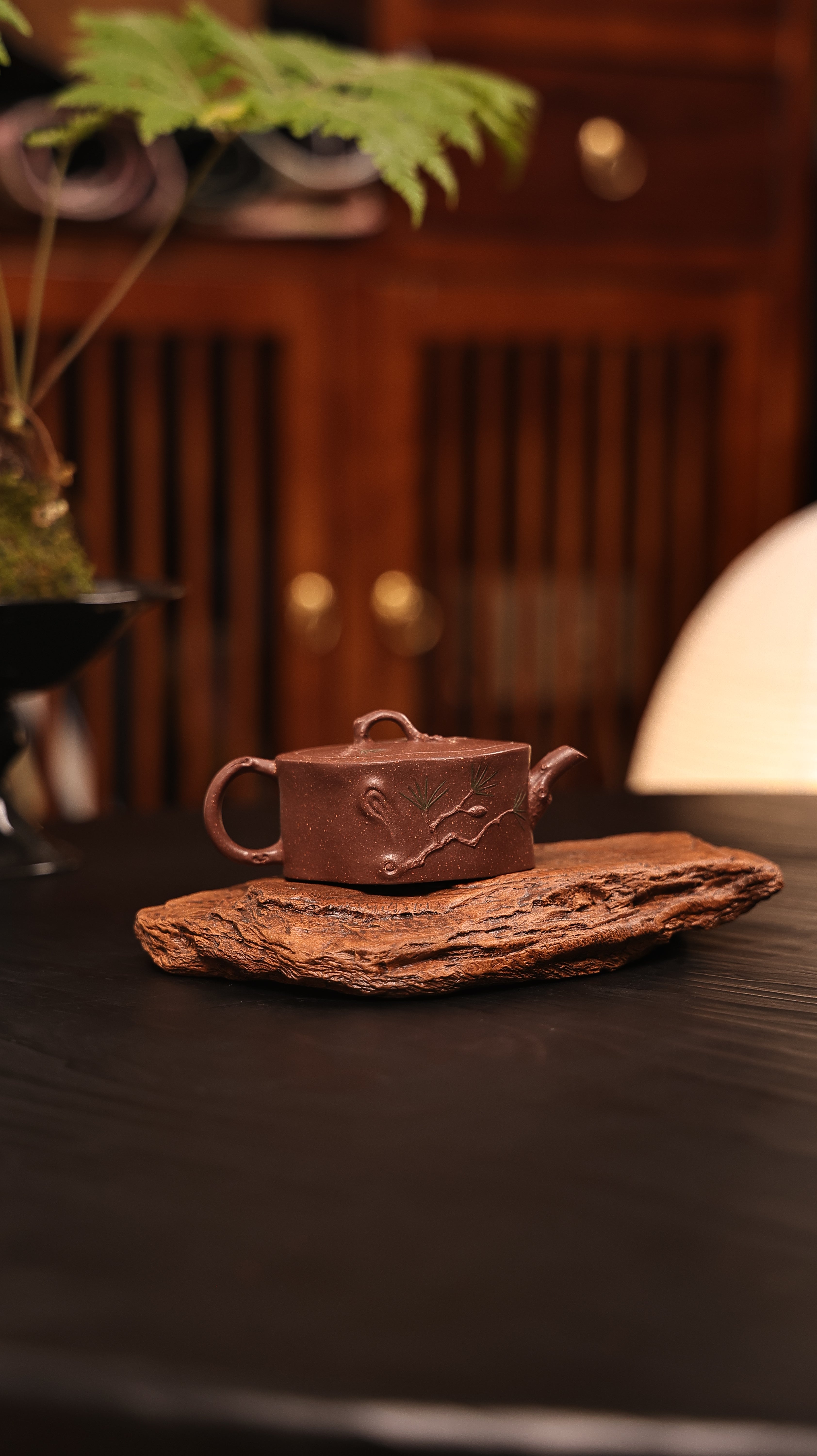
Why is a Purple Clay Teapot perfect for limited collaborations with tea plantations?
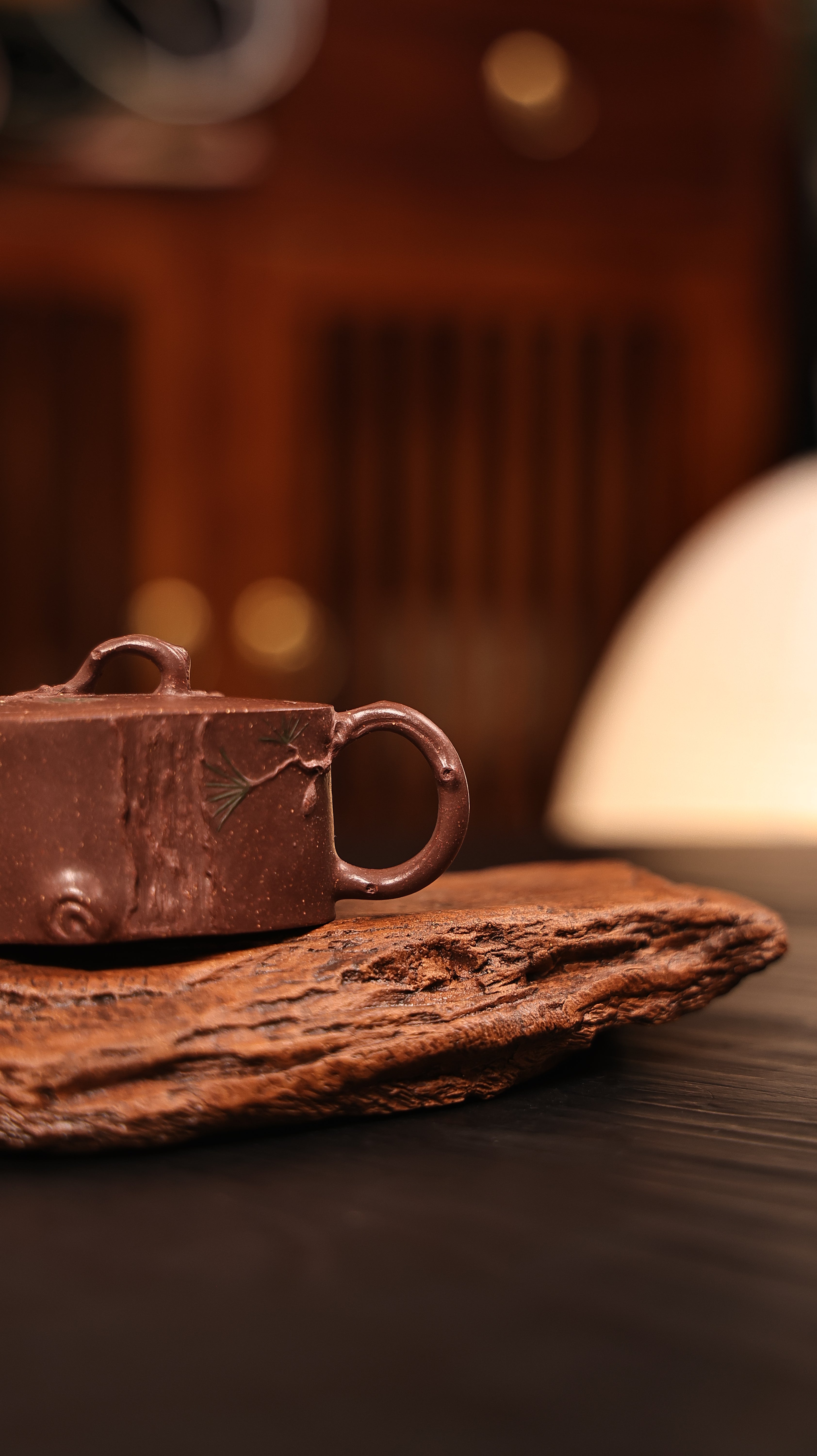
Sustained legacy establishes Chinese mugs amid epochs,
Expressing exclusive characteristics collected among provincial amethyst components, the pitchers yield a layer during consumption, amplifying profile yielded from developed potions.
Recognizing Yixing Sediment: Exhaustive Insights into Zisha
Diverse lovers acknowledge the singular quality of Yixing amethyst clay, an essential element of ancient Chinese earthenware. Coming from the Yixing region of Jiangsu province, this precious clay boasts an sophisticated mineral form, so that offers fabulous qualities to the finished vessels. Styles within Zisha, including Ni Mud, Duan Ni Mud, and Jiang Xi Mud, each provides separate pigments, grains, and curing traits, influencing the breathability and the peak bouquet growth of the tea.
Sino Pitcher Heritage: copyrightining Innovation
Oriental teapots embody far more mere urns for liquid; they symbolize centuries of inherited artistry. From the iconic Yixing clay variations, respected for their transpiring nature which conveys distinctive nuances to the brew, to the fine porcelain from Jingdezhen, each piece unfolds a tale of craft. The fabrication process is an involved task, often handed over through tribes of craftsmen. These artists use historic techniques such as hand-building, sculpting on wheels, and decorating, demonstrating profound reverence for the matter and the art itself. Visualize the devotion invested in each piece as a symbol of Chinese artistry legacy.
- Purple sand flasks: a iconic offer.
- Jingdezhen ware teapots: famed for their refined design.
- Fabricating techniques: a complex yet profitable procedure.
Zisha Urn Preservation: Conserving Your Treasure
Appropriate tending of your precious Yixing Zisha urn is necessary to safeguarding its quality. Crafted from celebrated purple sand mineral, these superior teapots form a subtle patina after employment, meaningfully boosting their allure. Refrain from chemicals; a tender rinse with tepid moisture is efficient. Steer clear of hot water for cleansing the teapot, as it may break down its structure. Allow it to dry naturally away from strong natural light. Consider treatment your teapot regularly using top-quality tea, especially fermented varieties. Here is a brief instruction:
- Wash out with lukewarm liquid.
- Eschew washers.
- Facilitate it to dry completely.
- Season with fine tea.
Origins of Yixing Teapots: From Modest Roots
The narrative of Yixing teapots initiates unassumingly during the Yuan dynasty, circa the 16th phase. Initially, these wares were not the respected wares they are understood currently. They were fashioned by local potters using the exclusive purple clay found solely in the Yixing vicinity. These early productions were mainly utilitarian, intended for frequent practice and often ordinary in pattern. It was not until the afterward dynasty that they opened to earn honor beyond mere utilitarian objects.
Opting For the Proper Zisha Pot: A Starter's Explanation
Starting the field of Yixing teapots can be challenging, but avoid concern! For novices, the central factor is understanding the sediment. Original Yixing clay is prized for its ventilation, allowing the teapot to retain the tea's flavor over time, increasing every extracting session. Evaluate the shape; traditional round shapes prevail, yet specific preferences influence. Lastly, assess the surface—while some favor an basic appearance, others value a mild gloss. Take your time in the selection process—this is an buying in a treasured piece of art.
Traditional Clay Jars and Their Effect on Chinese Tea Ceremony
Zisha pots, originating from Yixing, China, have profoundly influenced historic Chinese liquid culture. These Yixing clay teapots, prized for their identifiable tone, texture, and exceptional ability to impart a subtle savor to the beverage, represent more than mere holders; they are admired objects and symbols of renown. The very habit of preparing and serving infusion using a Zisha teapot is steeped in origin, elevating the experience beyond simple refreshment. Sagas of artisans have improved their techniques, passed down through generations, resulting in highly coveted pieces. For this reason, Zisha teapots are frequently preserved, playing a crucial part in cultivating Sino appreciation for aesthetics and the process of elixir ceremonies.
- Characteristic Clay Composition
- Adding Subtle Flavor
- Elegant Craftsmanship
Recognizing Legitimate Special Native Pieces
Buying a verified Yixing teapot can be a rewarding experience, but the sector is often saturated with copies. Dividing between a authentic antique and a current reproduction requires thorough inspection. Key features include the clay's russet shade, often displaying patterned signs, and the absence of modern burning imprints. The profile should appear natural class, reflecting the traditional Yixing look. Finally, analyzing the creator's emblem is essential to verify legitimacy against official testimonies.
- Assess the clay's feel.
- Look for irregularities, indicative of crafted quality.
- Consult an professional for assessment.
Committing to 宜兴 Earthenware: A Elaborate Explanation to 紫砂 Analysis
The sector of Native Zisha teapots presents a distinct possibility for educated admirers. Consistently, the value of these artisanal Yixing Teapot artifacts is affected by multiple considerations, such as the standard of composition, the dexterity of the potter, the historical importance, and, naturally, the present demand. Novices should prioritize on researching the several kinds of Zisha clay—such as Glacial, Quiet Jug, and Crimson Soil—and studying the traits linked to each. Diligent review of the pot's design, hue, and mark is also essential to make competent considerations when investing.